

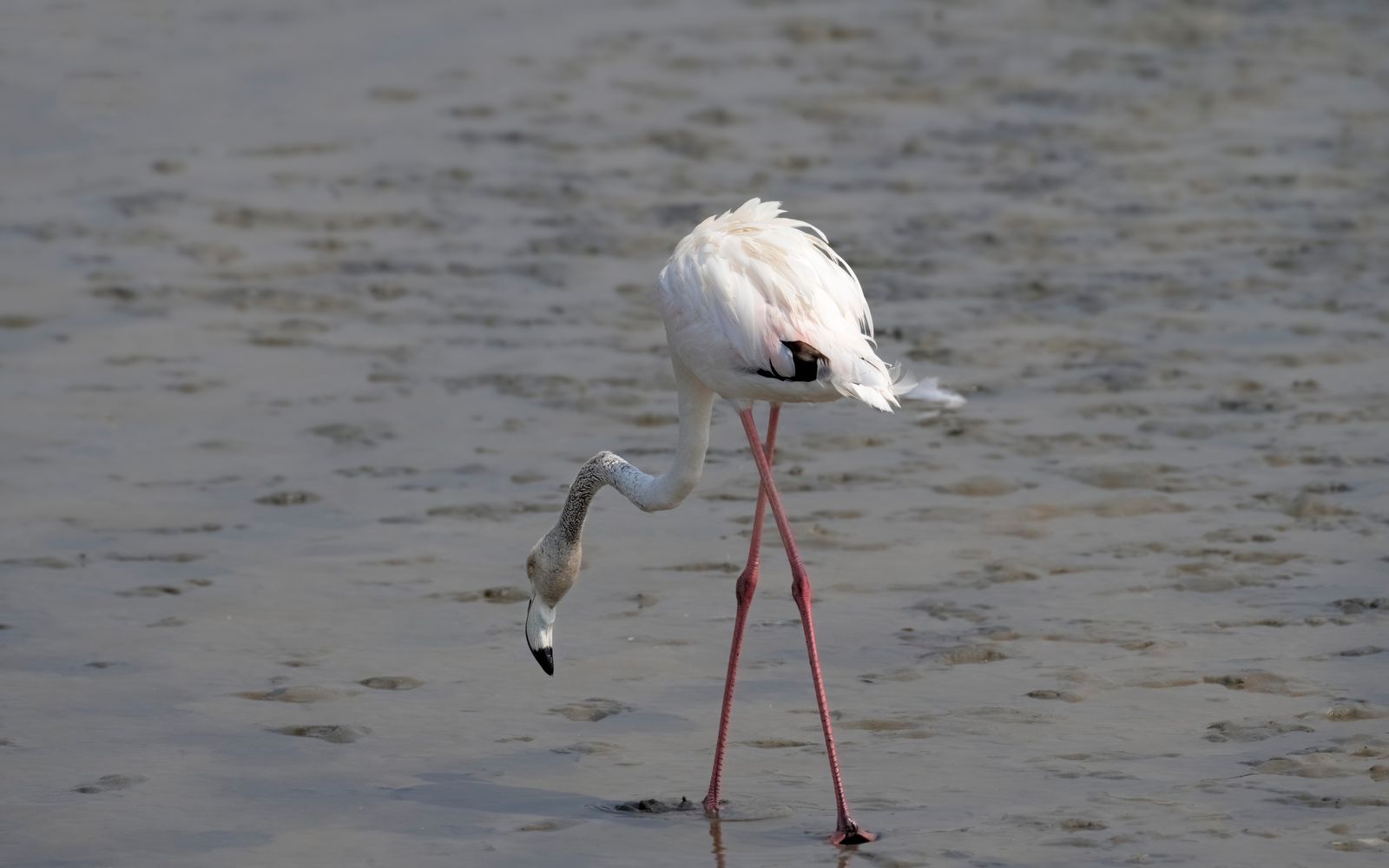
You can watch flamingos in Dubai without leaving the city for a desert excursion. At Ras Al Khor Wildlife Sanctuary, the outing centres on a viewing hide overlooking a wetland: arrive at the right entrance, settle quietly and let the birds provide the movement.
It is a particularly good choice when you want a short nature visit rather than a full day of activities. The hides are free to use, and individuals and families do not need an advance booking according to Visit Dubai. The important choice is where to go. Dubai Municipality currently lists Flamingo Hide and Lagoon Hide, while Mangrove Hide is temporarily closed.
Start with Flamingo Hide if the pink birds are the main reason for your trip. Consider Lagoon Hide if you enjoy scanning a wider stretch of water for different kinds of birds. Give yourself enough flexibility to watch patiently; a wetland visit is more rewarding when your schedule allows the scene to change.
The details to settle before leaving
| Question | What to plan around |
|---|---|
| Admission | Public hides are free to use; transport is separate |
| Winter hours | October–March, 7.30am–5.30pm |
| Summer hours | April–September, 6am–6pm |
| First choice for flamingos | Flamingo Hide, Makani 29772 87328 |
| Alternative for broader waterbird observation | Lagoon Hide, Makani 30487 87923 |
| Current closure | Mangrove Hide is temporarily closed |
| Hide capacity | Maximum 15 people at a time; give priority to people of determination |
| Visit style | Quiet observation from designated visitor areas |
Use the Municipality’s hide page to check the current listing and location links, and its Ras Al Khor visit page for hours and viewing rules. Check again before travelling, particularly if you have one particular hide in mind.
1 Choose Flamingo Hide for a first flamingo visit
Flamingo Hide is the clearest starting point for visitors with one main ambition: seeing the sanctuary’s best-known birds. The Municipality describes this hide specifically around flamingo viewing, making it a more useful first choice than simply navigating to the sanctuary’s general name.
Use Makani 29772 87328 or the location link beside Flamingo Hide on the authority’s page. Share that exact destination with whoever is driving. Deciding on the entrance before the journey is a small preparation that makes the visit feel much simpler on arrival.
Once inside, let your eyes move between the flock and individual birds. Watching how they stand, feed or move through the shallows gives the scene more interest than a quick photograph alone. For children, picking one bird to follow can be an easier introduction than trying to identify everything at once.
Keep expectations flexible. The presence, position and distance of birds change, and a photograph from another visit cannot tell you how close they will be when you arrive. Choose this hide for its viewing purpose, then enjoy the observation available that day.
Flamingo Hide suits a first sanctuary visit, a short stop with relatives visiting Dubai, or anyone curious about the wetland who does not own specialist birding equipment. Binoculars can make distant details easier to see, but a willingness to pause matters just as much to the experience.
2 Consider Lagoon Hide for a broader view
Lagoon Hide offers a different reason to linger. The Municipality describes its outlook towards the creek and a variety of birds, including waders and raptors. It is a useful alternative for someone interested in the whole waterside scene rather than a single headline species.
Its listed address is Makani 30487 87923. Treat it as a separate destination with its own approach. Plan the journey to the entrance you intend to use; do not turn a map’s apparent proximity into an assumed walking route between hides.
A broad view rewards a slightly different way of looking. Start with the larger shapes and obvious movements, then work across the water and its edges. Look for different sizes, silhouettes and feeding behaviour before worrying about names. If you have a field guide, use it to develop the observation rather than feeling that every bird needs an immediate identification.
This is the stronger option to consider when someone in your group already enjoys birdwatching, or when you would like the visit to feel like a quiet exercise in noticing. A camera or binoculars may help, but neither changes the basic arrangement: you watch from the permitted visitor space and allow wildlife to remain undisturbed.
The choice between Flamingo and Lagoon is a starting point rather than a promise of separate species lists. Birds move across a living habitat. Choose the outlook that matches your interest and keep some room for surprise.
3 Leave Mangrove Hide out of the current itinerary
The Municipality lists Mangrove Hide as temporarily closed. Do not plan your journey around entering it, even if an older guide describes a three-hide circuit.
Mangroves remain part of the sanctuary’s ecological story, alongside mudflats and tidal areas. Their presence does not establish public access to the closed hide or permission to walk into the habitat. Use the available visitor areas and observe the boundaries on site.
When to visit and how much time to allow
Winter is a compelling season for a bird-focused outing because the sanctuary hosts migratory birds alongside its resident interest. The Municipality’s habitat information describes ducks, waders and other bird groups as well as flamingos. Keep that range in mind when looking across the water: an interesting visit can include much more than the first flock you notice.
The published winter opening window runs from 7.30am to 5.30pm, October through March. From April through September, it is 6am to 6pm. These are visitor hours, not a programme of sightings or feeding demonstrations.
Choose a time that gives your group a comfortable journey and enough room to watch without rushing. Check the weather before setting off. On a hot day, keep the visit modest and plan your water and breaks around the hide’s rules. For a cooler-season outing, you may prefer a little more time to settle into the observation.
There is no need to fill an entire day with the sanctuary. As a planning suggestion, keep the rest of the schedule light enough that you can stay longer if the viewing is engaging, or move on comfortably if your group has had enough. Families with young children may enjoy a brief, focused visit more than an ambitious plan to see every viewpoint.
Avoid building the day around an unverified feeding time or a promised count of birds. The attraction is a living wetland, and its changing activity is part of the experience.
Admission and arrangements for your group
Visit Dubai describes the hides as free to use, without advance booking for individuals and families. Follow the arrival instructions at your chosen hide and bring identification in case requested.
For a school, tour group or another organised visit, confirm arrangements with Dubai Municipality before travelling. The authority provides booking and approval routes for different visitor categories, including educational, commercial-media and research activity. A family outing and a planned group session have different practical needs.
The 15-person hide capacity matters even for smaller parties: arrive willing to wait if the permitted space is full. Give priority to people of determination, keep the entrance clear and avoid gathering around one viewing position when others are waiting for a turn.
If your visit depends on a specific access arrangement, contact the Municipality beforehand. Priority guidance should not be treated as a complete description of paths, surfaces, doorways or facilities. Settle the details that matter to your group rather than assuming every part of the approach will suit every visitor.
What to bring and what to leave for afterwards
The Municipality suggests binoculars, a camera and a bird or nature guide. These are useful ways to make more of the view, particularly if the birds are some distance away. Carry what you can use comfortably within the shared viewing space.
The hides are quiet zones. The authority lists no phones, pets, food, drinks or smoking inside. Plan refreshments outside the hide, keep your phone put away while observing and explain the quiet setting to children before entering.
For photography, stay within the designated area and accept the distance available. A longer lens is not a reason to occupy a viewing position indefinitely, and a desired photograph is never a reason to approach wildlife. Do not sit on the window plank; keep the space comfortable for others using the hide.
Understand the wetland you are looking at
Ras Al Khor’s appeal goes beyond having birds within reach of the city. The sanctuary combines different wetland habitats, and the variety helps explain why the scene changes across its water, vegetation and exposed edges.
Dubai Municipality identifies mangroves, tidal areas, mudflats and sabkha within the sanctuary. Looking at the setting as well as the birds gives the visit a second layer of interest. Notice the contrast between open water and the margins, and how different birds use the spaces available to them.
The sanctuary is a Ramsar Wetland of International Importance, designated in 2007. That recognition gives some context to what can otherwise seem like a small viewing stop: the hides offer a public encounter with a protected habitat, while much of the conservation area remains beyond the visitor boundary.
Stay behind fences and obey no-entry signs. Use designated parking, leave plants and animals undisturbed, and take nothing from the habitat. The most memorable part of the outing may be watching normal behaviour continue while you remain quietly in the background.
For a glimpse of the setting, see Visit Dubai’s April 2017 flamingo photograph. It offers historical visual context; use the Municipality’s current information for today’s access arrangements.
A simple plan for your first visit
Choose Flamingo Hide if flamingos are your priority, or Lagoon Hide if you are more interested in scanning the broader waterside scene. Check the hide listing, save the correct location and arrange the return journey before setting off.
On arrival, follow the local instructions and give the viewing space time to work for you. Begin by watching without trying to record everything. Once you have a sense of the scene, use binoculars, a camera or a guide if you brought them.
Leave food, drinks and social catch-ups for after the hide visit. That gives the observation a clear beginning and end, keeps the shared space quiet and lets you enjoy the rest of your day without trying to make the sanctuary serve every purpose.
Ras Al Khor works best as a focused encounter with Dubai’s wetland life. Pick the right entrance, bring a little patience and allow the birds to hold your attention.


Comments (0)
No comments yet. Be the first!