

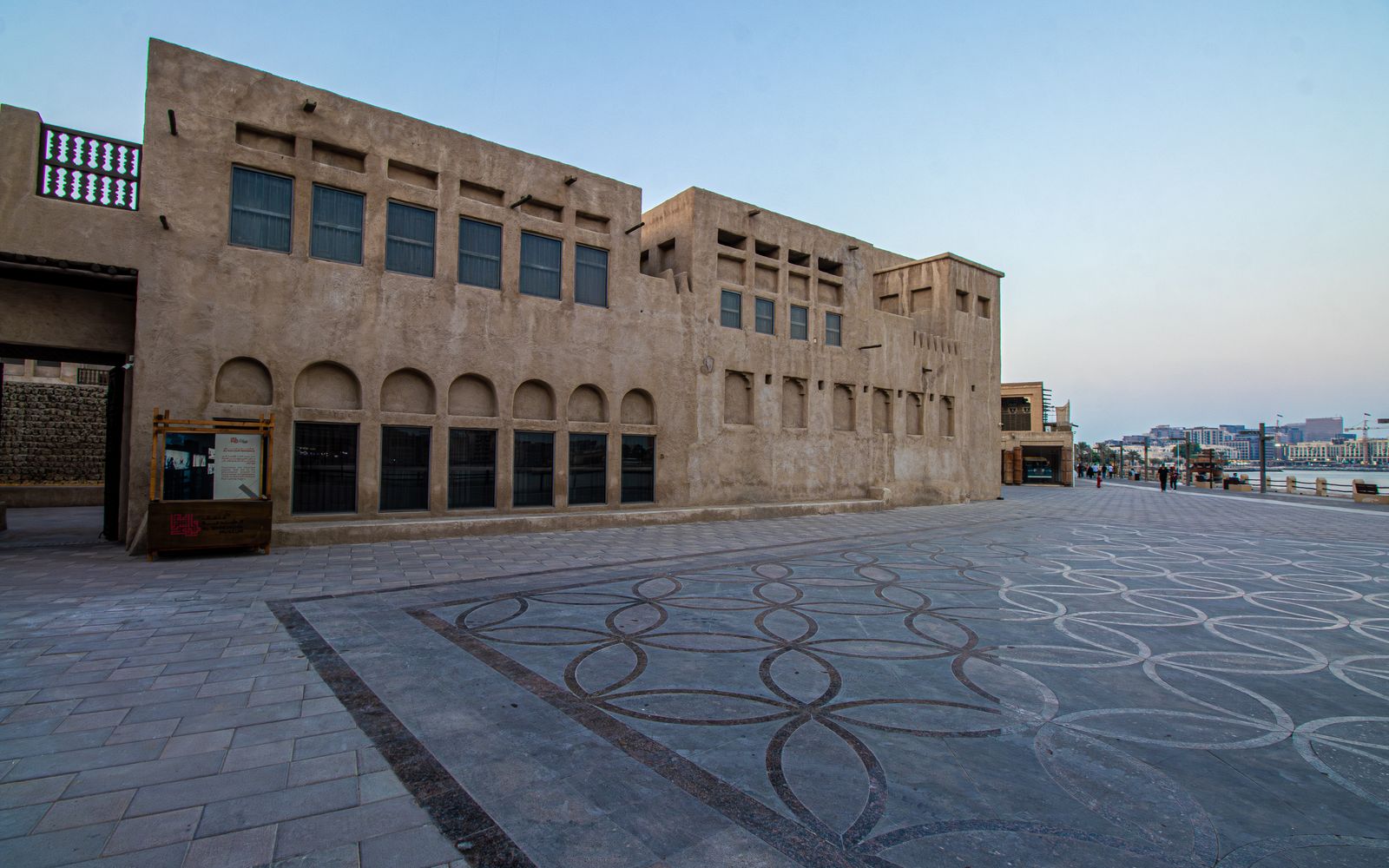
Choose Etihad Museum for the founding of the UAE, Al Shindagha Museum for cultural traditions, or Crossroads of Civilizations for manuscripts and exchange between cultures. Make one your main visit. Etihad is in Jumeirah; the other two are in the Al Shindagha area beside Dubai Creek, so the choice also shapes the journey.
The difference is in how you follow the story. Etihad gives you a national chronology and personal collections. Al Shindagha lets you move between houses devoted to perfume, crafts, maritime life and other subjects. Crossroads rewards close attention to documents and objects connecting communities across regions.
Choose one as the main event. If there is time for a second, pick a subject that adds something to the first visit and give yourself room for the journey, a break and the interpretation inside.
Choose the story that interests you
| Your main interest | Start with | The detail to look forward to |
|---|---|---|
| How the UAE came together | Etihad Museum | The Union chronology, Founding Fathers and passport collection |
| How people lived, worked and expressed traditions | Al Shindagha Museum | Separate house subjects, from scent to maritime life and jewellery |
| Connections between cultures and trading communities | Crossroads of Civilizations Museum | Local family documents, manuscripts and objects from wider historical exchanges |
For a standard individual ticket, budget AED 25 at Etihad or AED 50 at Al Shindagha. Crossroads needs a direct price check: its own visitor page displays conflicting rates, hours and child concessions. The details below explain what to confirm before travelling.
Information checked on 8 November 2026. Prices are per person unless stated otherwise. Confirm any programme, concession or access arrangement essential to your visit.
1. Etihad Museum for the story of the Union
Choose Etihad when you want to understand the country whose cities you are visiting. Its principal focus is the period around the UAE's formation, especially 1968–1974. The current museum description introduces interactive pavilions, photographs and films, while the National Cultural Map identifies documentary material, a panoramic map and a historical timeline.
That makes it a strong first museum for someone arriving with only a broad outline of UAE history. Begin with the chronology, then let a person or collection hold your attention for longer. The dates become easier to follow when you connect them with individual lives and objects.
Personal collections give the history a human scale
The museum's own Founding Fathers collection description includes portraits, personal belongings and interactive biographical material. It gives you a way to move from the larger sequence into a particular life.
The passport collection is another distinctive reason to visit. Museum examples include separate emirates’ documents and those of the federation. Compare the authority named, lettering and symbols: an object with a familiar purpose can make a change in national identity approachable. The online collection is useful preparation; ask about a specific passport if seeing it in person is essential.
The building belongs to the subject
The architect describes an entrance inspired by the constitution’s parchment, above a largely underground museum. The site also includes the historic Union House. Ask the visitor team how that space can be seen on your date, particularly if interior access is your main reason for coming.
The wider chronology is worth keeping clear: the UAE was established on 2 December 1971, initially with six emirates, and Ras Al Khaimah joined on 10 February 1972, according to the UAE Government's history. The museum lets you spend time with the process around those dates.
Ticket and visit planning
The official ticket channel showed AED 25 adult and AED 10 student tickets for 9 November 2026 when checked. The published admission schedule specifies full-time students aged 5–24; age alone does not establish the concession. Groups of five or more pay AED 20 each, and children under five are exempt.
Allow a few hours for a thorough visit; that is a planning allowance rather than a fixed tour duration. Etihad is at 1 Jumeirah Street. The museum’s current official profile gives 10am–8pm, with last entry at 7pm. Confirm a guided session’s time, language and reservation requirements with visitor services on 800 33222 before building your day around it.
The museum's November 2026 Flag Day reel shows the context of a school learning visit. It gives a glimpse of the museum's educational work, with that particular programme distinct from ordinary admission.
Choose Etihad first when: you want a clear introduction to the UAE's formation, with chronology and personal collections as the focus.
2. Al Shindagha Museum for cultural life and individual traditions
Al Shindagha is the choice when the questions that interest you are more closely connected with everyday life: the role of the Creek, the meaning of fragrance, the work of a craft or the story of something worn at a wedding.
The museum unfolds through separate houses in the historic district beside the Creek. That layout changes the visit. Choose a few subjects, confirm the houses operating with the Visitor Centre and let the walk between them become part of the afternoon.
Begin with the Creek, then follow your curiosity
Dubai Creek: Birth of a City uses multimedia, touch displays, photographs and artefacts to interpret development, family life and maritime trade. It provides a useful shared starting point before the subjects become more individual.
Perfume House offers one of the strongest next choices. Scent is presented through cultural practice, history and exchange, giving visitors a particular tradition to follow. If you already enjoy perfume, it adds a cultural context to the material; if you know little about it, the subject is easy to approach with curiosity.
Choose an object or activity that makes you want to stay
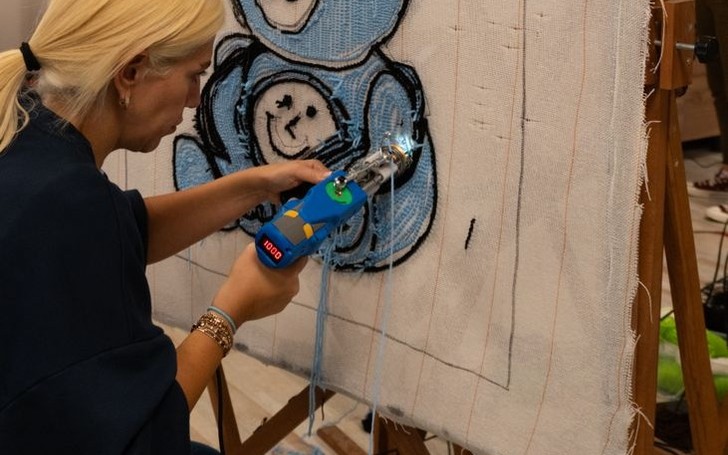
The published museum guide identifies subjects including Culture of the Sea, Traditional Crafts and Traditional Jewellery. It describes pearl-diving VR and interactive weaving and embroidery exhibits; check the available experiences if one is central to your plan.
One jewellery story is particularly memorable: a bridal set first worn by Fatma Baqer, then lent by her and her family to more than 2,000 brides. It offers a way to look at an object through its use and the lives connected with it.
That is the advantage of choosing a few houses carefully. A visitor drawn to making may pair crafts and jewellery. Someone interested in maritime life may give more time to the Creek and sea. The group can build a visit around genuine interests.
Ticket and visit planning
The official Al Shindagha ticket channel showed AED 50 adult and AED 20 student tickets for 9 November 2026. Its group product starts at AED 40 each for five or more. The same published admission schedule used for Etihad requires full-time student status at ages 5–24 and exempts children under five. The headline “from AED 20” is the lower ticket category, not the standard adult price.
The museum brochure gives 10am–8pm daily, with last ticket sale at 7pm. Allow two to three hours for selected houses and the paths between them; this is an editorial allowance, not a promise to see the whole complex. Confirm current operating houses and any separately booked programme with the Visitor Centre on 800 33222.
Al Ghubaiba on the Green Line is the nearest Metro station named by Visit Dubai. If access support matters, discuss the actual houses and route: the brochure describes step-free access to the majority of houses and staff support, rather than identical provision everywhere.
The museum's October 2026 Perfume House reel directly introduces one of the house subjects featured here.
Choose Al Shindagha first when: cultural practices, objects and lived heritage interest you, and you would enjoy shaping the visit around separate subjects.
3. Crossroads of Civilizations Museum for exchange between cultures
Crossroads offers a different scale of history. The museum's own gallery description follows cultural and commercial exchange through manuscripts, objects, personal documents and connections across regions.
It suits a visitor who enjoys reading closely and asking what a document or artefact reveals about relationships between people. Where Etihad centres on the Union and Al Shindagha follows individual heritage themes, Crossroads gives you wider historical connections to explore.
Look for the local story inside the wider collection
The Local Gallery includes family manuscripts connected with such subjects as the administration of pearl diving and trading relationships. These offer an individual route into the museum's broader theme: exchange can be followed through the records of how people worked and conducted business.
The operator also highlights a Sitara, a cover for the door of the Kaaba, dated 1543/44, among the objects in its Islamic gallery. Spend time with the accompanying interpretation and the history attached to an object like this, rather than treating the collection as a quick succession of display cases.
Decide which part of the Museum Group you want
Crossroads belongs to The Museum Group, which also identifies Rare Books, Manuscripts & Prints and The Armory Museum. Those subjects give enthusiasts a reason to make a more focused visit.
Confirm which collections your admission covers and whether a guided arrangement would help you follow a particular interest. Do that before planning to enter several spaces on one ticket. For groups or visits outside regular hours, the operator asks visitors to contact it for arrangements.
Ticket and visit planning
Confirm Crossroads directly before making the journey. Its English visitor section lists AED 25 per person, free entry under seven and daily 9am–8pm hours. Other language sections on that same page display AED 30 and Saturday–Thursday 8am–8pm, with different child and collection-coverage terms. These cannot all be treated as one current tariff.
Ask info@themuseum.ae or +971 4 393 4440 to confirm your date, the price for each member of your party and which collections the ticket includes. This is especially important for a Friday visit or a child near a concession boundary. Keep Crossroads conditional until those details are settled.
The address is Sheikh Hasher Al Maktoum House, Al Khaleej Road, in the Al Shindagha area. The operator names Al Ghubaiba as the nearest Metro station and identifies metered parking near the entrance.
The Museum Group’s post of 27 November 2021 shows a heritage-style passage in its visitor invitation. It supplies historical visual context, rather than evidence of current prices, opening or gallery access.
Choose Crossroads first when: manuscripts, trade and connections between cultures are the subjects you most want to explore.
If you have time for two museums
Etihad and Al Shindagha for two complementary perspectives
This pairing combines the formation of the federation with the cultural life explored through the heritage houses. Standard individual admission totals AED 75 per adult, or AED 150 for two adults. An eligible full-time student aged 5–24 pays AED 10 plus AED 20, totalling AED 30; two adults and one eligible student therefore total AED 180. Transport, food and separately booked activities are additional.
They are in different parts of Dubai, so plan the transfer and give each visit room. They can also work well on separate days, with the first museum giving you questions to bring to the second.
Al Shindagha and Crossroads for a focused heritage day
These are both in the Al Shindagha area, but the subjects still deserve a choice. Use the first visit to decide how much attention you have for another collection. If the group is deeply interested in manuscripts or a particular Museum Group subject, arrange that part in advance.
Keep one museum as the anchor and the second flexible. A good first visit leaves time to read, ask questions and pause with something that has caught your interest.
Make the choice for your actual party
Choose the subject first, then the practical route. Etihad keeps the national story within one museum complex. Al Shindagha involves walking between separate houses. Crossroads and the other Museum Group collections also require checking which entrances and spaces your visit includes.
For mobility support, discuss the specific route rather than relying on a general accessibility label. Al Shindagha’s brochure describes most houses as step-free. Crossroads’ undated visitor page mentions gallery ramps but also work on entrance ramps, so establish the present entrance arrangements directly. Confirm any equipment, seating or assistance you need before booking.
Etihad and Al Shindagha’s admission schedule also exempts a Person of Determination with one escort, senior UAE citizens and valid ICOM members. Ask what documentation is accepted. Those categories do not establish eligibility at Crossroads.
If you have only one afternoon, choose the museum whose subject you most want to understand and leave the second for another day. The value is in having time to read, look closely and follow a question through the displays.
Comments (0)
No comments yet. Be the first!