

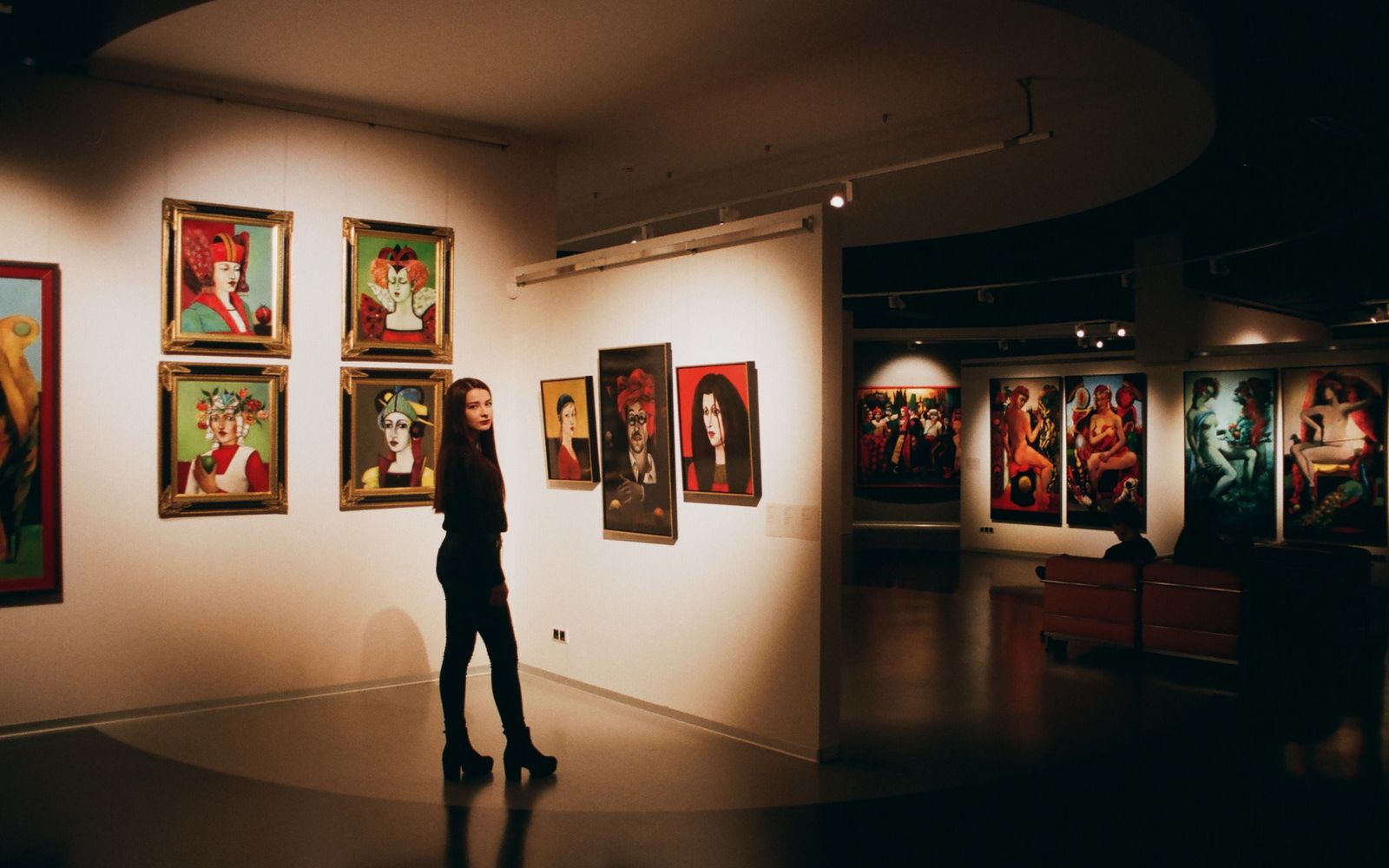
Choose one reason to visit World Art Dubai before choosing your day: seeing work across different media, joining a particular workshop or comparing pieces you might buy. The workshop timetable changes by date, while a first purchase needs time for a second look and a conversation about the finished cost. You can combine these, but a booked or confirmed session should set the order of your visit.
World Art Dubai takes place on 19–22 November 2026, from 1pm to 9pm daily, in Za’abeel Halls 2 and 3 at Dubai World Trade Centre. These are the organiser’s published arrangements, checked on 9 November. Use the current visitor information when planning your arrival.
| Your main reason | Start with | What to settle first |
|---|---|---|
| Look at art without buying | A medium you enjoy, then a small stand shortlist | Which exhibitors you want to find and where they are on the current floor plan |
| Make something | The dated workshop programme | Whether your session needs a reservation, its age rules and whether places remain |
| Buy a first piece | A spending limit and the dimensions of your wall | The artwork’s identity, final framed cost and collection or delivery terms |
| Visit with children | A manageable visit around an appropriate activity | Admission for the whole group and the activity’s separate participation rules |
Admission: the AED 20 headline is the student option
The official ticket seller, Platinumlist, advertises entry from AED 20. Its ticket selector makes the distinction clearer: the One Day Pass for Students is AED 20 and labelled “12–18 Years / Students”; the adult One Day Pass is AED 30. The selector also lists a family group of three at AED 70 and a family pack of four at AED 80. These are displayed ticket prices, checked on 9 November, rather than a promise that the same offer will remain available.
For the adult and student passes, the further information specifies access on any one of the four event dates. The selector describes them as single entry. An “any day” pass therefore gives you a choice of day; it does not establish four-day access or permission to leave and return. Check the selected category and final payable total before paying.
Two adult passes at the displayed AED 30 rate total AED 60 before any additional checkout charges. If you are bringing children, the event listing says those aged 11 and under enter free. Two adults with a child in that age group therefore have a displayed adult-ticket subtotal of AED 60; check whether the child needs a free reservation. Do not automatically choose the AED 70 group-of-three pack for that combination.
For older children or a larger family, compare the applicable individual tickets with the family pack. The category labels alone do not establish every permitted family composition or the evidence needed for a student ticket. Confirm those details with the seller when they affect your choice. A child’s free admission also does not establish eligibility for every workshop.
Choose your workshop day before planning the rest
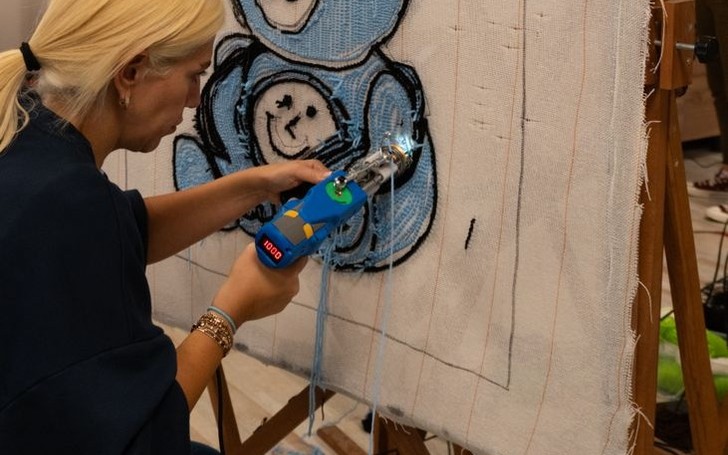
The organiser describes WAD Studio workshops as free and artist led. Fair admission has its own ticket. The useful next step is the dated 2026 programme: select Workshop, then the date, rather than treating every session on the page as a daily offering.
The following are examples from that programme, checked on 9 November. Times are Dubai local time and can change. A listed session is a reason to enquire, not a guarantee of a place.
| Date | Published session | Time |
|---|---|---|
| Thursday 19 November | Paint Your Inner Vision – Expressive Acrylic Art | 2.30–3.30pm |
| Friday 20 November | Textured Art on Canvas | 5–6pm |
| Saturday 21 November | Clay Frame-Building Workshop | 1.30–2.30pm |
| Sunday 22 November | The Art of Noticing: A Mindful Photography Walk | 1.30–2.15pm |
| Sunday 22 November | Color & Shape: Stylized Clay Birds for Kids | 2.30–3.30pm |
The Saturday clay-frame session starts only half an hour after the fair opens. If that is your main reason for going, allow for entry and finding the studio before browsing the stands. The Friday canvas session leaves an earlier afternoon window for looking, provided you have confirmed how participation works.
On Sunday, the timetable leaves 15 minutes between the end of the photography walk and the start of the children’s clay-bird session. That is a timetable gap, not a promise that the same visitor can join both. Check the walk’s meeting and finishing points, who may participate and any arrangements needed for children before building a family visit around that sequence.
Ask about minimum age, booking or arrival procedure, capacity and supplied materials for the exact session. For clay or another object that may need finishing, ask when and how the work can be collected. A session name does not establish that a finished piece will be ready to carry away that afternoon. If your preferred workshop is full, the fair also advertises stage talks, demonstrations and pop-up performances; use the day’s programme to find a suitable alternative.
For looking, make a shortlist rather than an exhaustive route
Start with one medium that already interests you. The organiser’s PhotoWAD page describes a dedicated photography pavilion curated by Ahmad Al Rashid, covering genres including portrait, documentary, landscape, urban, fashion and experimental work. It is a useful starting point if photography gives you a clearer way into the fair than a broad sweep of painting, sculpture and other media.
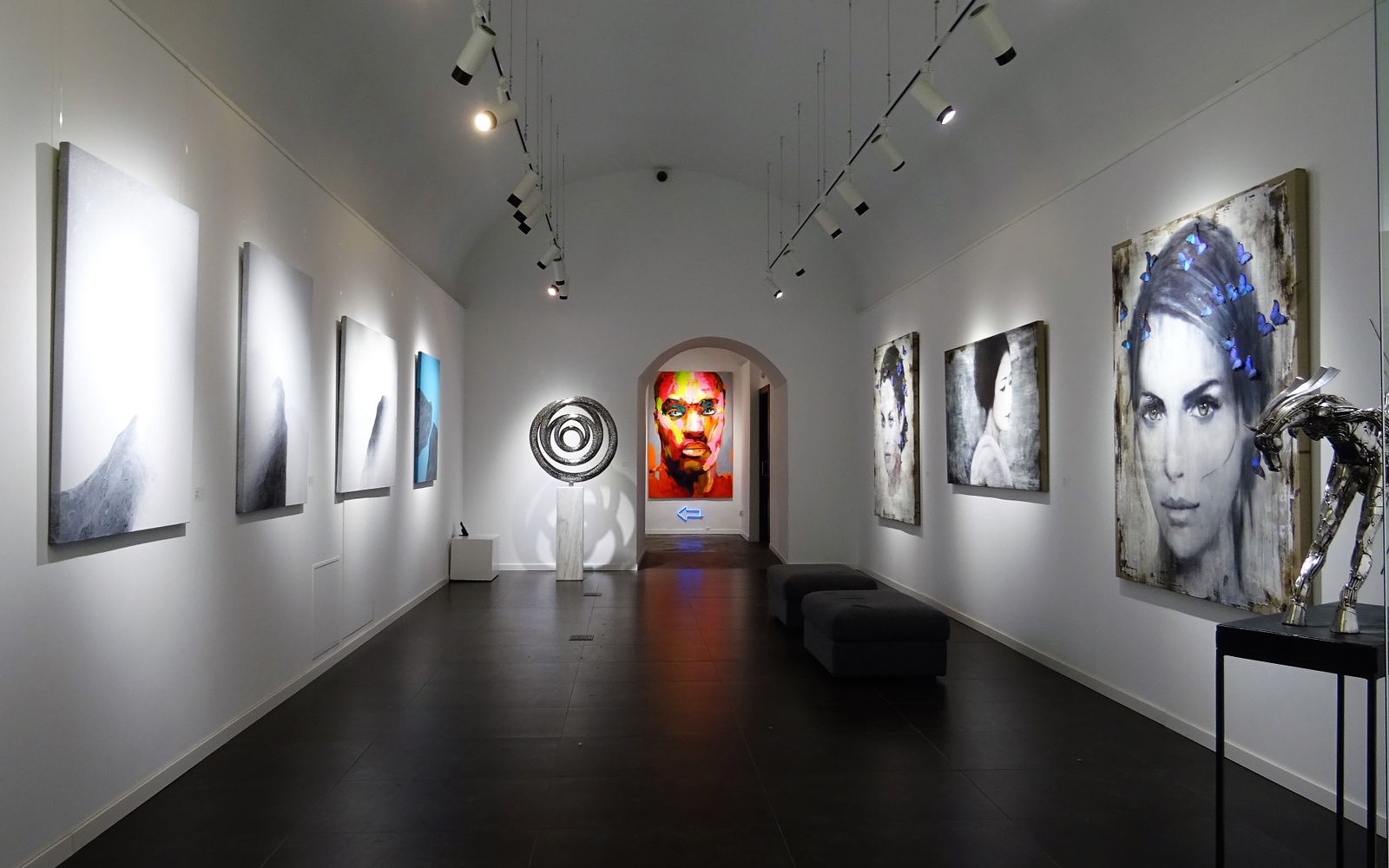
For a wider visit, use the 2026 artist and gallery directory to save a few names and their stand numbers, then check the floor plan on arrival. Choosing three initial stops gives you somewhere to begin while leaving time for something unexpected. It also makes a second visit to a particular stand easier than relying on memory after walking both halls.
The organiser’s November artwork carousel offers a preview of the range being promoted for the fair. Its first image is a painted mountain valley with a stone path, a gate and a roofed pavilion. It is an artwork preview, rather than a photograph of the exhibition hall or a Dubai landscape. Use it to begin thinking about subject and style; ask the relevant stand about the actual work, its availability and price.
When something catches your attention, look from the aisle and then closer to the surface. Ask about the medium and how the work was made. With a photograph or print, ask whether the piece is editioned and what that means for this particular copy. You do not need to make a purchase for that conversation to give your visit direction.
For buying, compare the object and the full commitment
Bring the dimensions of the space where the piece might go, and distinguish the artwork size from its framed size. A photograph of the wall can help you remember nearby furniture and colours, but measurements matter when comparing a small work with a larger one. Decide how much of your budget you can spend on the artwork after allowing for framing, delivery or installation you may need.
At the stand, ask for the artist’s name, title, medium, dimensions and final price in writing. For a print or photograph, clarify the edition size, the number of the offered copy and whether it is signed. Ask what documentation accompanies the purchase and who will issue the receipt. Those details help you compare two specific pieces rather than relying on a general description such as “limited edition”.
Clarify whether a displayed frame is included, whether you are buying the displayed object or another copy, and whether collection is immediate, at the end of the fair or by delivery. If delivery is separate, ask for the charge and arrangements before treating the price as your total. For anything needing specialist installation, establish that cost and responsibility too.
Make a second pass before committing if you are undecided. Note the stand, the precise work and the terms discussed, then return to the piece that still interests you. Do not assume it will be reserved while you browse; ask the seller what, if anything, holds it. Leaving with a name and useful information is also a reasonable outcome for a first visit.
Arrive for the right hall and the right first stop
The organiser identifies World Trade Centre station on the Metro Red Line as serving the exhibition centre. Continue to Za’abeel Halls 2 and 3, rather than treating arrival at the wider complex as arrival at your first stand or workshop. Keep the hall names available if you need directions.
For drivers, the visitor page lists paid parking at Exhibition Street, Al Mustaqbal Street and Sheikh Rashid Tower, describing the latter as very limited. Allow time to park and walk in; this guide does not assume a free parking allocation or a particular tariff. For a taxi or ride-hailing trip, use Dubai World Trade Centre and the hall names to make the destination clear.
A good first visit has one firm anchor and enough space around it. Choose your workshop only after confirming participation, or begin with a medium and a short stand list if looking is the priority. If buying, protect time for measurements, terms and a second look before the fair closes at 9pm.
Comments (0)
No comments yet. Be the first!